HSE (Health, Safety & Environment)
Pelican Services Private Limited maintains a practical HSE posture designed for real project environments—where work is inspected, progress is audited, and safety performance directly affects continuity, timelines, and stakeholder trust. This page presents our HSE approach in a procurement-friendly format: how we reduce risk, how we control behavior on site, how we document and report, and what a client can expect during mobilization, execution, and closure.
We treat HSE as an operational control—not “paper compliance.” Our aim is simple: prevent incidents, protect people and assets, maintain delivery continuity, and keep work defensible under oversight. Whether the engagement is engineering execution, construction delivery, logistics movement, or industrial support—HSE remains a non-negotiable delivery layer.
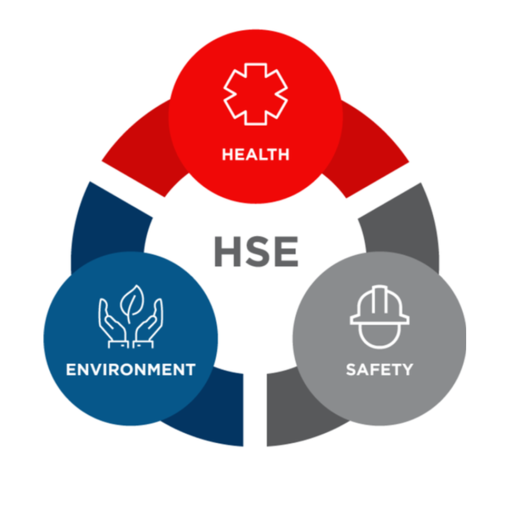 HSE Safety Culture
 PEC Project Environment Fit
 FBR Documentation Readiness
 PRA Reporting Readiness
 SECP Governance Posture
HSE Delivery Posture — What We Actually Control
HSE becomes real when it changes behavior on the ground. Our approach is control-based and execution-aware: we identify hazards, enforce basic barriers, maintain site discipline, and document what matters for continuity and oversight. We aim to keep work safe, measurable, and review-ready—without slowing delivery through unnecessary bureaucracy.
How We Run HSE on Active Sites
The goal is controlled work. Our HSE sequence focuses on prevention, discipline, and predictable routines that reduce incident probability while keeping delivery moving.
1) Mobilization & Site Orientation
- Site orientation / entry discipline
- Hazard zones + boundaries
- Basic emergency readiness alignment
2) Toolbox Discipline & Daily Safety Rhythm
- Short, practical toolbox briefs
- High-risk activity focus (lifting, heights, energization)
- Supervisor-led reinforcement
3) Work Controls (Permits / Checks Where Needed)
- Permit alignment where applicable
- Isolation / lockout awareness (where relevant)
- Basic barrier integrity checks
4) Incident / Near-Miss Handling & Corrective Actions
- Containment and immediate safety actions
- Simple root-cause thinking (practical, not academic)
- Corrective actions with follow-up checks
5) Closure Readiness & HSE Handback
- Housekeeping & demobilization discipline
- Temporary hazard removal
- Closure notes for stakeholder confidence
Typical HSE Focus Areas
Our HSE approach prioritizes practical risk categories commonly seen across construction, engineering, logistics movement, and industrial support. The exact control set depends on your site rules, scope, and hazard profile.
- Work at height: access control, fall risk awareness, safe boundary discipline.
- Lifting & movement: loading posture, safe handling, route and exclusion zone awareness.
- Electrical exposure: basic isolation awareness and safe handling posture where applicable.
- Housekeeping: trip hazards, clutter control, and clean work zones for continuity.
- PPE compliance: minimum PPE enforcement aligned to site rules and scope hazards.
- Public interface risk: signage, boundary control, and safe movement pathways where the public is nearby.
- Environmental awareness: practical controls for spill risk, waste handling, and cleanliness posture.
What to Share for Accurate HSE Alignment
For fast mobilization and correct control setup, share your scope and any site governance expectations. If you do not have written documents, share the basics—PSPL will guide the missing inputs.
Minimum Inputs
If the Site Has HSE Rules / Client Standards
For High-Risk Activities
Need an HSE-Aligned Execution Plan?
If your scope requires safety discipline, controlled site behavior, documentation readiness, or oversight-friendly reporting, use Get a Quote. Pelican Services Private Limited will confirm hazards, align control barriers, and operate a practical HSE rhythm that protects people, assets, and delivery continuity.